
How to Start a Successful Local Pet Care Business and Build Trust
How to Start a Successful Local Pet Care Business and Build Trust
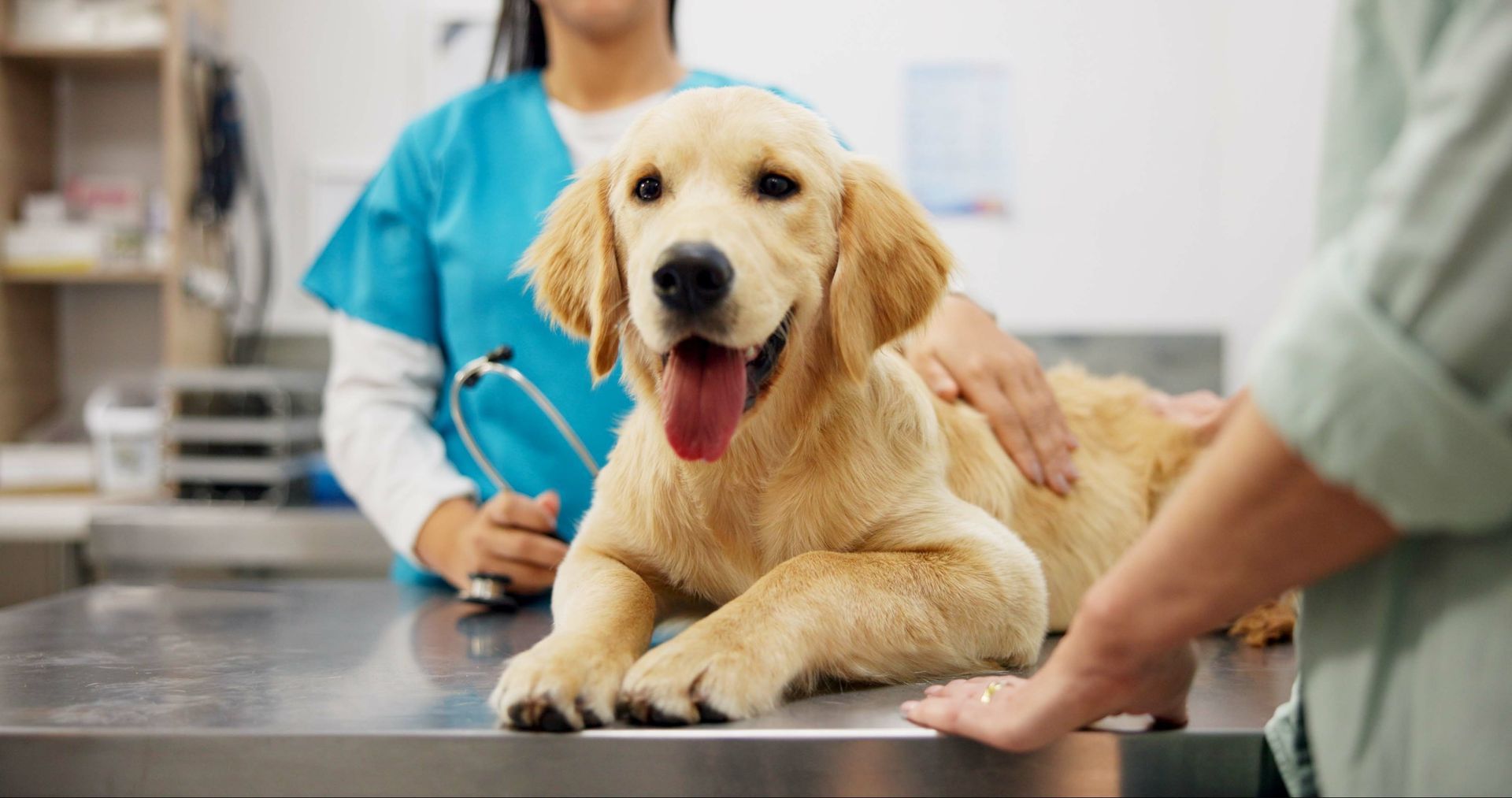
For aspiring pet care entrepreneurs in the Fenton, MI area, especially pet owners who already worry about illness, preventive care confusion, chronic pain, or post-injury rehabilitation, starting a business can feel risky because trust is hard to earn when a pet’s well-being is on the line. At the same time, pet care industry trends point to steady pet care market growth, more small business opportunities, and rising local pet services demand from neighbors who prefer familiar faces over distant providers. That tension creates a real opening: people want reliable help close to home, but they need to believe it’s safe and consistent. With the right focus, a local pet care business can become a trusted part of the community.
Understanding Sustainable Pet Care Business Models
Pet care businesses usually fall into four lanes: dog walking, pet sitting, grooming, and selling pet products online. Each one solves a different need, but the same basics make them last: clients must trust you with their pet, you must show up consistently, and your pricing and scope must be crystal clear. Even product stores need a clear promise, like fast delivery or curated health-focused items, so customers know why to buy from you.
This matters because pet owners are often coordinating vet visits, medication schedules, and rehab routines. When service is reliable, it protects a pet’s recovery plan and lowers stress for families. With 71% of all U.S. households owning pets, the winners are the providers people feel safe calling first.
Picture a client whose dog needs gentle walks after an injury and a vet-approved shampoo for skin flare-ups. A dependable walker logs notes, a groomer follows instructions, and an online shop restocks the exact item on time. That shared reliability is what turns a one-time booking into ongoing care.
With that foundation, planning, funding, permits, and certifications become practical steps instead of guesses.
Set Up Your Pet Care Business the Right Way
This is how to turn a helpful pet-care idea into a legitimate, ready-to-book service that local families can rely on alongside their vet and wellness routines. When your plan, paperwork, and protections are in place, owners feel safer trusting you with meds, mobility limits, and follow-up care.
Step 1: Choose your lane and write a simple business plan
Start with one clear service you can deliver consistently, then define who you help, what you do, what you do not do, and how you communicate updates (texts, visit notes, photos). Add basics like your weekly capacity, pricing, and a start-up checklist so you can estimate costs and avoid overbooking. This clarity supports better coordination with veterinary instructions and health programs.
Step 2: Map your startup budget and compare funding options
List one-time costs (equipment, software, insurance, basic branding) and monthly costs (fuel, supplies, taxes set-asides) so you know your break-even point. Then compare bootstrapping, a small personal loan, a small business loan, or a low-limit business credit card, choosing the option that keeps payments manageable during slow weeks. A realistic budget helps you stay reliable instead of cutting corners mid-month.
Step 3: Register the business and secure required local paperwork
Pick a business structure (often sole proprietorship or LLC), register your name if needed, and open a separate business bank account to keep records clean. Prioritize the business license and permits your town or county requires so you are operating legitimately from day one. Being properly set up reduces last-minute cancellations caused by compliance issues.
Step 4: Add certifications and policies that build client confidence
Choose training that matches your lane, such as pet first aid, safe handling, or species-specific care, then document your processes (intake form, emergency contacts, vet authorization, medication instructions). If pet sitting is part of your offer, the NAPPS Certification Course is available to both members and non-members of NAPPS, making it easier to pursue credentials without joining first. Clear policies and credible training help owners feel comfortable sharing care plans.
Step 5: Cover the legal basics and get “ready to book”
Use written agreements that spell out scope of work, cancellation terms, keys and home access rules, and what happens in an emergency. Confirm insurance that fits your service (liability, care custody and control, bonding if applicable) and set up a simple booking and record system for notes that owners can share with their veterinary team. Once these pieces are in place, your service becomes dependable in a way people can verify.
You are not just starting a business, you are building a care partner families can count on.
Questions New Pet Care Businesses Ask Most
Quick answers to calm the uncertainty and help you move forward.
What are the first steps I should take to launch a pet care-based business successfully?
Start by choosing one clear service and one ideal client type so your routines stay consistent. Then validate demand by checking what owners ask for, what competitors offer, and what you can deliver safely. A simple “week-in-the-life” schedule and pricing sheet prevents overcommitting when inquiries start coming in.
How can I navigate the licensing and certification requirements for pet care services in my area?
Make a checklist and call your city or county office to confirm the exact license, zoning, and tax steps that apply to your services. Ask your insurer what coverage and documentation they require before you accept bookings. If you offer medication support or post-visit care, keep written vet-authorized instructions and signed client permissions.
What are effective ways to find and retain clients in the pet care industry while managing my workload?
Build a referral loop with local vets, trainers, and groomers by sharing your intake process and update style. Protect your capacity with firm service boundaries, set booking windows, and a waitlist so quality stays high. Long-term stability matters in a field where only pet sitters remain in business beyond 6 years.
How can I use marketing tools to build trust and a loyal customer base for my pet care services?
Use one simple website page and a consistent profile on local directories to show services, policies, and emergency steps. Trust grows when you publish useful content, and adding blogs, videos, answer common questions can reduce owner anxiety before they even call. Keep proof visible: certifications, insurance, testimonials, and clear communication samples.
What resources are available for someone who feels overwhelmed and uncertain about starting and managing a pet care business from scratch?
Treat it like skill-building, not willpower: pick one structured course for small-business basics, plus one pet-safety training that matches your lane. Join a local small-business workshop or mentorship program to get accountability on pricing, scheduling, and recordkeeping. If you're exploring business management degree options, use templates for intake, visit notes, and emergency plans so decisions are not reinvented daily.
You can build a trusted care partner one calm, repeatable system at a time.
Set Up Your Tech Stack to Book, Track, and Grow
A simple tech stack keeps your pet care business organized, responsive, and consistent, three things that help new clients feel safe handing you their pet’s routine, meds, or rehab homework.
- Start with online booking that sets expectations: Choose an online booking system that lets clients pick a service, answer a short intake form, and agree to your policies (late cancel, key handling, vaccination requirements, emergency contact). This reduces back-and-forth texts and supports the compliance questions most new businesses worry about, because you’re collecting the right info every time. Set up “buffers” (like 10–15 minutes) between visits so you’re not rushing a pet that needs gentle handling or slow leash walks.
- Use pet care scheduling software to protect your calendar: Pet care scheduling software is worth it when you’re juggling recurring walks, weekend sits, and last-minute check-ins. Look for features like route planning, recurring appointments, staff assignment (even if it’s just you right now), and automatic reminders so you don’t miss a pain-med dose note or post-op restriction. Keep it beginner-simple: start with two service types and three time blocks per day, then expand once your weeks feel predictable.
- Set up customer management tools that build trust over time: A basic customer management tool (CRM) can be as simple as a client profile per household with pet notes: vet clinic name, allergies, triggers, feeding plan, mobility limits, and “what success looks like” for that pet. Add a visit log template you can reuse: potty/poop notes, water refilled, enrichment, meds given, and any behavior changes. When a client asks “How did it go?” you can answer confidently with specifics, especially helpful for seniors, rehab pets, and anxious animals.
- Automate the “business basics” so money and policies stay clean: Connect invoicing, digital payments, and receipts so every visit is documented without extra admin time. Create two saved message templates: one for intake follow-up (“Here’s what I need before our first visit…”) and one for incident reporting (“Here’s what happened, what I did, and what I recommend next…”). This kind of consistency supports the licensing/insurance mindset you’ve already been thinking about: fewer loose ends, clearer records, and better boundaries.
- Pick one small digital marketing system and run it weekly: Many effective digital marketing for pet businesses plans include social media, email marketing and a simple website, but you don’t have to do it all at once. Start with one weekly “proof-of-care” post (a tip, a checklist, or a behind-the-scenes routine) and one monthly email to past clients. A good starter email topic: seasonal paw care, safe winter walking, or “questions to ask before choosing a pet sitter.”
- Make social media promotion local, helpful, and repeatable: Create three repeatable post categories: “preventive care reminders,” “safe handling and comfort,” and “rehab-friendly enrichment.” Keep photos optional, short text posts work fine when they’re specific, like “3 signs your dog is sore after play” or “How to set up a slip-resistant feeding station.” Consistent posting helps you elevate visibility without feeling salesy, and it attracts clients who value safety and long-term care.
When your booking, scheduling, notes, and outreach all work together, you spend less time scrambling, and more time showing up calm, prepared, and trustworthy for every pet and pet parent.
Start Small, Earn Trust, and Grow Your Local Pet Care Brand
Starting a pet care business can feel overwhelming when every detail, from pricing to scheduling to visibility, competes for attention. The steady path is to keep it simple: choose one service, run it reliably, and let consistency and local community engagement do the heavy lifting while the market opportunity is strong in and around Fenton. Trust is built one on-time visit at a time. Pick one start-up task to complete this week, set your hours in your booking tool, write a short service description, or message one neighbor who might need help. That entrepreneurial motivation, repeated in small steps, becomes a pet care brand people count on, and a more connected community for pets and their people.