How to Care for Aging Pets with Comfort and Confidence
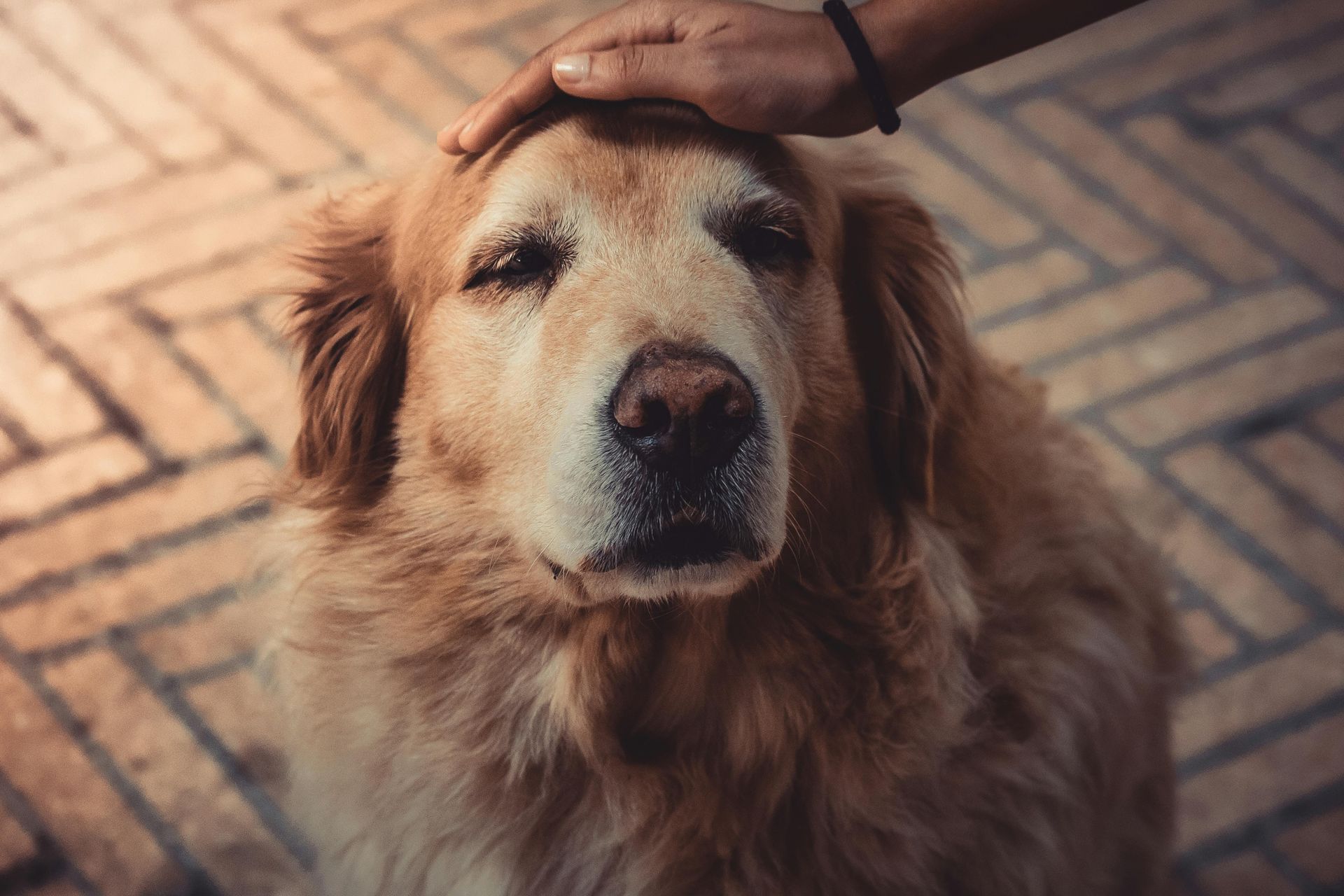
For busy pet owners caring for a longtime companion, senior pet care can bring a new kind of worry: everyday habits change, and it’s hard to tell what’s normal aging versus a problem that needs help. Aging dog health concerns like stiffness, slower walks, and new bathroom accidents can leave families second-guessing every decision. Older cat wellness changes, less jumping, hiding more, picky eating, or weight shifts, often feel subtle until they don’t. The good news is that most common senior pet challenges become less scary when pet owners’ concerns get matched with clear expectations and steady support.
Quick Summary: Caring for Senior Pets
- Schedule regular veterinary checkups to catch age related changes early and adjust care plans.
- Choose senior pet nutrition that supports digestion, weight management, and changing energy needs.
- Provide gentle exercise for aging pets to maintain mobility while protecting sore joints.
- Add an orthopedic pet bed to improve rest, reduce pressure points, and ease stiffness.
- Create a senior pet friendly home with mental stimulation to keep them safe and engaged.
Make 6 Daily Upgrades for Comfort and Mobility
Small daily changes can make a big difference for an aging pet’s comfort. Use these upgrades to support the “big five” from your senior-pet game plan, nutrition, gentle movement, joint support, mental stimulation, and a safer home.
- Tweak meals for easier digestion and healthier weight: Ask your vet what calorie target and senior formula makes sense, then transition slowly over 7–10 days to avoid stomach upset. For many older pets, staying lean is one of the kindest “mobility tools” you can offer because extra pounds stress arthritic joints. Make hydration easier too: add water to kibble, offer wet food, or place an extra water bowl where your pet rests most.
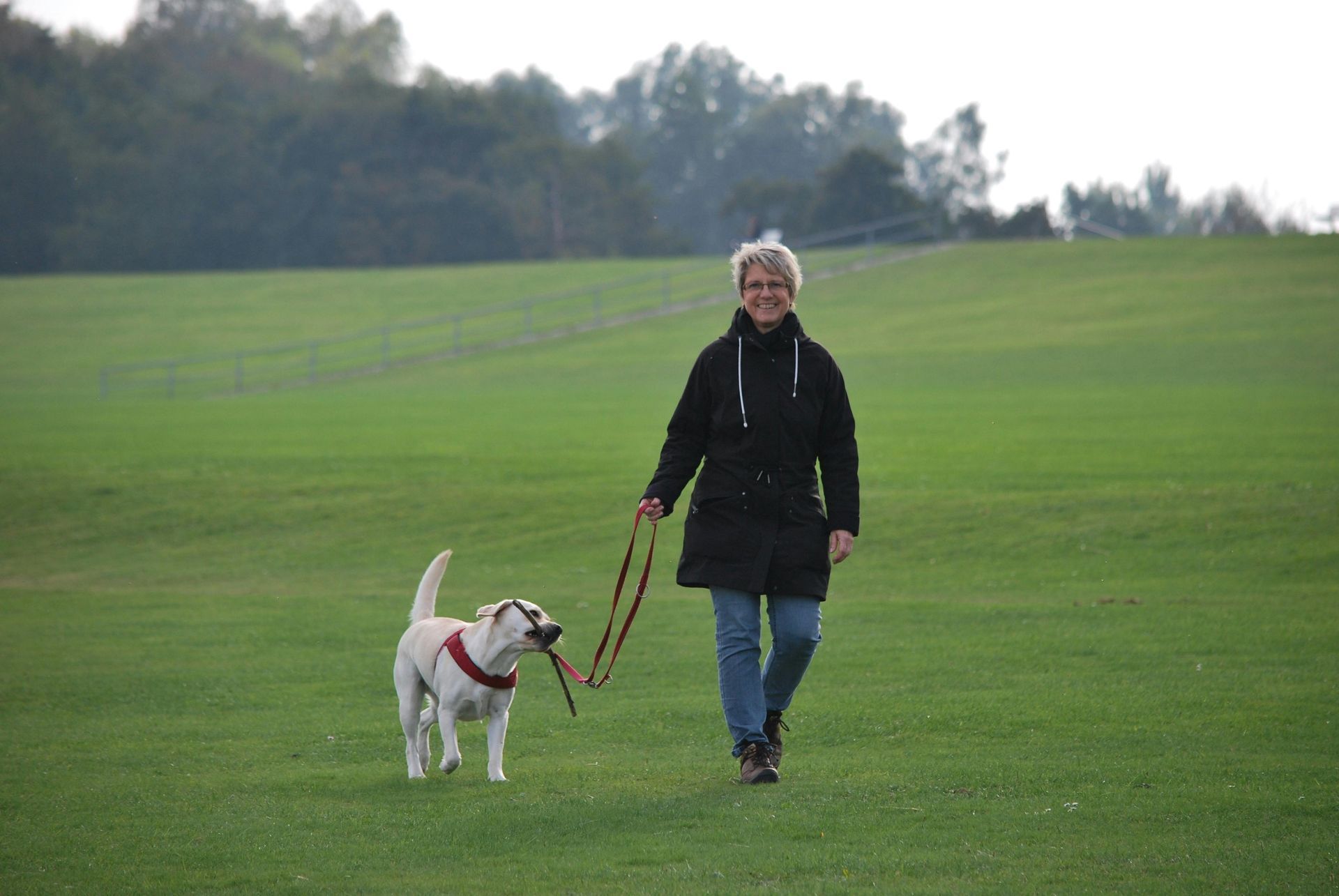
- Build a low-impact movement routine (short, frequent, consistent): Aim for 2–4 mini-sessions daily, think 5–10 minute leash walks, a few minutes of gentle play, or slow stairs only if your vet says it’s safe. Watch for lagging behind, limping, heavy panting, or stiffness afterward; those are signs to shorten the session, not “push through.” If your dog is steady, simple balance exercises like supported weight shifts can help with body awareness.
- Choose orthopedic pet bedding and place it strategically: Pick a firm, supportive bed that’s easy to step into, with a washable cover for accidents or drool. Put one bed where the family spends time and another near your pet’s nighttime spot, so they don’t feel forced to choose between comfort and company. If your pet struggles to stand up, try a thinner bed or add a grippy mat next to it for better footing.
- Use puzzle toys for brain health (and calmer evenings): Start easy, treat under a towel, kibble in a slow-feeder, or a simple puzzle toy, and keep sessions to 5 minutes so it stays fun, not frustrating. Mental work can tire a pet without stressing sore joints, which is helpful on days when long walks aren’t realistic. If your pet has dental pain, use softer treats or a portion of their regular food.
- Make outdoor time safer and more predictable: Choose flat routes with good traction and quieter times of day to avoid being rushed by other dogs or startled by traffic. Many owners look for safe dedicated spaces so pets can move at their own pace, your version might be a fenced yard, a calm park corner, or a short loop close to home. In heat or cold, swap one walk for indoor sniff games to prevent flare-ups.
- Modify your home for senior pets (one room at a time): Start with slip prevention: add runners on slick floors and place mats at “launch points” like the couch, bed, and food bowls. Use pet ramps or stairs to reduce jumping, and block off steep stairs if your pet is wobbly. For senior cats, a low-entry litter setup (even a storage bin with a cut-out doorway) can prevent painful squatting and accidents.
Habits That Keep Senior Pet Care Steady
When you track small changes and plan check-ins, it’s easier to use accessible veterinary services and reliable pet health resources without panic.
Daily Nose-to-Tail Check
What it is: Spend 60 seconds scanning appetite, breathing, gait, skin, and bathroom habits.
How often: Daily
Why it helps: You catch subtle shifts early and can share clearer notes with your vet.
Weekly Weight and Water Snapshot
What it is: Weigh your pet and note thirst changes, using changes in digestive health as a cue.
How often: Weekly
Why it helps: Trends can signal kidney, endocrine, or diet issues sooner.
Two-Minute Mobility Log
What it is: Rate stiffness, slips, and willingness to rise on a simple 1 to 5 scale.
How often: 3 times weekly
Why it helps: Patterns guide safer activity choices and better pain conversations.
Routine Wellness Testing Appointment
What it is: Book wellness testing and ask for clear next steps.
How often: Every 6 to 12 months
Why it helps: Lab work can reveal hidden problems before symptoms disrupt daily life.
Monthly Quality-of-Life Check-In
What it is: Score comfort, appetite, sleep, and joy, then list one change to try.
How often: Monthly
Why it helps: It keeps decisions compassionate and prevents crisis-driven choices.
Senior Pet Care Questions, Answered
How can I tell if my aging pet needs more frequent veterinary checkups?
If you notice new stiffness, weight change, increased thirst, coughing, accidents, or appetite shifts lasting more than a few days, it is time to book sooner. Many older pets benefit from twice-yearly exams, and the evidence that a senior dog should go to the vet, owners vs veterinary professionals often disagree shows why asking your vet about visit frequency matters. Bring a short list of changes, medications, and questions.
What dietary changes should I consider to support my senior pet's health?
Ask your vet about a senior-friendly diet that supports joints, digestion, and any conditions like kidney or heart disease. Transition slowly over 7 to 10 days and measure meals to prevent unwanted weight gain or loss. If your pet is picky, try warming food slightly or adding water for aroma and hydration.
What types of gentle exercises are safe and beneficial for older pets?
Choose low-impact movement like short leash walks, slow sniffing “decompression” strolls, or controlled stair-free play. Add simple rehab-style moves such as sit-to-stand repetitions on a non-slip surface, but stop if your pet limps, pants heavily, or seems reluctant. Consistency beats intensity, so aim for a few minutes more often.
How can I make my home more comfortable and safe for my senior pet?
Use rugs or traction runners to reduce slips, and add ramps or steps to beds and sofas. Raise food and water bowls if neck or back pain is an issue, and keep essentials on one floor when possible. A supportive bed and predictable routine can reduce soreness and anxiety.
What should I do if I’m struggling to find accessible veterinary care and reliable pet health resources for my aging pet?
Start by calling local clinics to ask about senior-care appointment blocks, telehealth options, and payment plans, and request to be added to cancellation lists. Keep a shareable medical-record packet ready: recent lab results, imaging reports, medication list with doses, and a symptom timeline; if you have multiple scans, it can help to combine them into a single PDF (you can learn more about merging files online) before you email it ahead. That prep helps any new provider advise faster and more safely.
Staying Steady With Senior Pet Care, One Loving Adjustment
Caring for an aging pet can feel like a moving target, new aches, changing habits, and the worry of missing a warning sign. The most helpful mindset is compassionate senior pet care: a steady commitment to pet wellness, paired with ongoing pet health support from your veterinary team when questions pop up. When you keep observing, sharing clear records, and adjusting as needed, comfort becomes easier to maintain and you spend more time enjoying the good days together. Small, caring changes keep senior pets comfortable and connected. Choose one tweak today, update your notes for the next visit or ask your vet about a new concern, so you keep enriching aging pet lives. That consistency builds calmer routines, stronger trust, and a healthier, more resilient bond over time.