Laser Therapy and Pain Management for Pets in Fenton, MI

Animal Health Clinic • October 23, 2026

Laser Therapy and Pain Management for Pets in Fenton, MI

Pets in Fenton, MI dealing with joint pain, post-surgical soreness, or chronic conditions can benefit from structured pain management and rehabilitation services, including laser therapy designed to reduce inflammation and support healing.

How Does Laser Therapy Help Pets Recover?

Laser therapy uses focused light energy to stimulate tissue repair, reduce swelling, and ease discomfort without needles or sedation.

When a pet experiences an injury or undergoes surgery, inflammation is one of the first responses the body produces. While some inflammation is part of healing, too much of it slows recovery and causes unnecessary pain. Laser therapy targets affected tissue directly, encouraging cells to repair more efficiently.

This approach is often used alongside other rehabilitation techniques to help pets regain strength and mobility. Dogs recovering from orthopedic procedures and cats managing arthritis are among the patients who commonly benefit from this type of care.

If you have been searching for pain management help near me for your pet, exploring pet pain management and rehabilitation in Fenton, MI is a practical first step toward understanding your options.

Which Pets Are Good Candidates for Rehabilitation Services?

Pets of many ages and breeds can benefit, particularly those with arthritis, nerve injuries, muscle loss, or recovery needs after surgery.

Older dogs often develop degenerative joint disease that limits their movement over time. Rehabilitation exercises combined with laser therapy can slow that decline and help them stay comfortable during daily activities like walking or climbing stairs.

Younger pets recovering from fractures or soft tissue injuries also respond well to structured rehabilitation. Starting a recovery plan early after an injury can prevent compensatory movement patterns that sometimes lead to secondary problems in other joints or muscles.

What Should You Ask Before Starting a Pain Management Plan?

Before beginning any treatment, it helps to ask your veterinarian about the specific goals of the plan, how progress will be measured, and what you can do at home to support recovery.

A good rehabilitation plan is built around your individual pet's condition, weight, age, and activity level. What works for a large-breed dog with hip dysplasia may look very different from a plan designed for a senior cat with spinal stiffness.

Home care instructions often include controlled exercise, rest periods, and environmental adjustments like ramps or orthopedic bedding. These details matter because consistent follow-through between clinic visits directly affects how quickly and fully a pet recovers.

How Fenton, MI Winters Can Affect Pet Joint Health

Cold temperatures and damp conditions common in Fenton, MI winters can worsen joint stiffness and increase discomfort in pets already managing chronic pain.

Many pet owners in the area notice their dogs or cats moving more slowly or reluctantly during colder months. This seasonal pattern is especially common in pets with arthritis or previous injuries, since cold weather causes muscles and connective tissue to tighten.

Scheduling a pain assessment before winter sets in gives your veterinarian a chance to adjust a management plan proactively. Pets that receive consistent care through the colder months tend to maintain better mobility and quality of life than those whose treatment is paused or delayed.

You can also meet the veterinary team in Fenton, MI to learn more about who will be guiding your pet's rehabilitation journey before your first appointment.

Pain and limited mobility do not have to define your pet's daily life. With the right combination of laser therapy, rehabilitation exercises, and home support, many pets regain meaningful comfort and movement.

Schedule a consultation at Animal Health Clinic to discuss a pain management plan tailored to your pet's specific needs and condition.

By Animal Health Clinic • August 19, 2026
Wondering what happens at a routine vet checkup in Fenton? Walk through the exam, vaccines, and puppy/kitten milestones at Animal Health Clinic step by step.
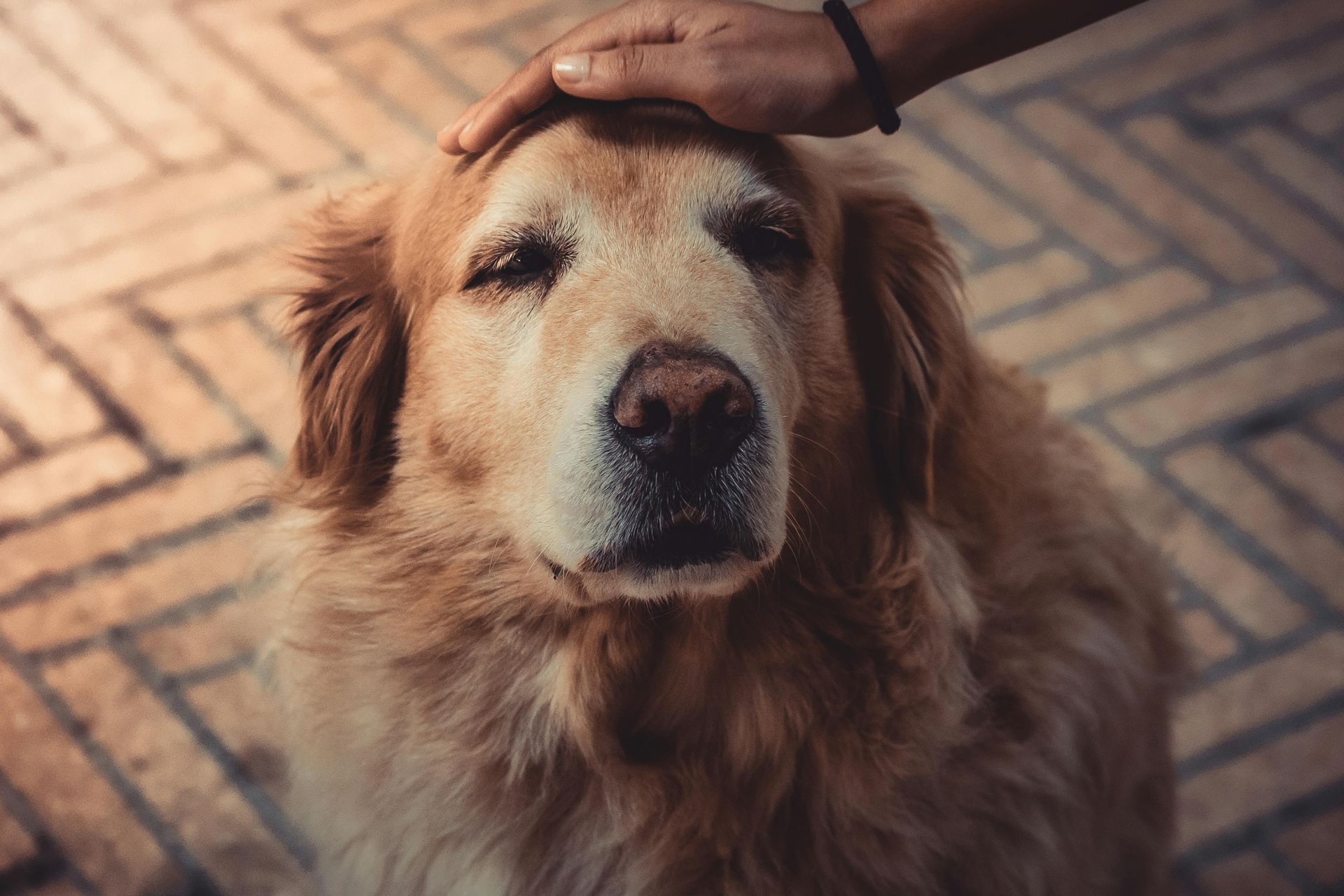
A close-up of a golden dog being petted on the head by a person’s hand, set against a brick-paved background.
April 2, 2026
For busy pet owners caring for a longtime companion, senior pet care can bring a new kind of worry: everyday habits change, and it’s hard to tell what’s normal aging versus a problem that needs help. Aging dog health concerns like stiffness, slower walks, and new bathroom accidents can leave families second-guessing every decision. Older cat wellness changes, less jumping, hiding more, picky eating, or weight shifts, often feel subtle until they don’t. The good news is that most common senior pet challenges become less scary when pet owners’ concerns get matched with clear expectations and steady support.
March 12, 2026
Prospective veterinary clinic owners and pet healthcare entrepreneurs often feel pulled between a real community need for dependable care and the heavy responsibility that comes with opening a medical business.
March 12, 2026
For aspiring pet care entrepreneurs in the Fenton, MI area, especially pet owners who already worry about illness, preventive care confusion, chronic pain, or post-injury rehabilitation, starting a business can feel risky because trust is hard to earn when a pet’s well-being is on the line.
November 12, 2025
Home Maintenance Tips for Pet Owners: A Practical & Playful Guide
October 24, 2025
You don’t need a smart collar to know when your dog’s restless. The pacing. The eyes. The whole-body sigh as they flop on the floor again. That low simmer of unused energy? It’s not just boredom—it’s a signal. Movement is more than just a way to burn calories; it’s how dogs stay regulated, relaxed, and sharp. Fitness, when built into their daily rhythm, changes everything: behavior, sleep, digestion, even your bond. And the best part? You don’t need a dog park or fancy gear—just consistency, creativity, and a few smart shifts. Tailor routines to your dog’s needs A husky and a pug don’t need the same workout, and pretending they do is asking for injury or burnout. Matching exercise to the animal in front of you means understanding their history, body, and brain. The ideal plan is one that evolves with age, habits, and environment. Senior dogs may prefer lower-impact movement; high-strung herders might crave more mental engagement than physical intensity. Thoughtful routines hinge on matching your dog’s physical output to their body’s actual needs—so many problems disappear when you simply plan by age, breed, and temperament . It isn’t about more—it’s about the right kind of more. Get active by changing your own habits Let’s talk about the human in the mirror. A sluggish routine doesn’t just affect you—it radiates out. Dogs mirror energy. So if you're stuck in a cycle of low movement, poor food, and disorganized sleep, your dog feels that inertia too. One of the most powerful ways to improve your dog’s health is by improving your own. Choose smaller changes that can ripple out: earlier walks, fewer screens, more outdoor minutes, snacks that fuel instead of numb. If you’re curious about how to start making daily decisions that promote well-being , it begins with noticing the micro-patterns. Dogs don’t need perfection. They need momentum. Mix it up to stay fresh Repetition dulls even the most energetic dogs. Monotony is the quickest way to create resistance or rebellion during walks. Alternating between environments—grass, gravel, indoor ramps—keeps paws and brains stimulated. One day it’s fetched in the yard, the next it’s weaving between cones, and later in the week maybe you’re trotting beside them on a bike. Energy stays high when cycling and agility are great outdoor options layered into the routine. Think of it less like “fitness time” and more like “mini adventures.” Small variety, big payoff. Track their routines digitally If your dog’s training gets sporadic or scattered, it might be less about motivation and more about management. The simplest fix? Track it like you’d track a workout plan or a budget. By documenting repetitions, progress, rest days, and even behavioral notes, you create a rhythm both you and your dog can trust. Whether you’re managing a complex training plan or just keeping tabs on morning walks, tools that simplify scheduling and format matter. There are easy methods for converting files to PDF that let you log, share, and even print weekly fitness logs or progress snapshots. No clutter. Just clarity. Safety first when exercising Not all movement is good movement. Too many owners push their dogs during summer heat or skip cooldowns after intense sessions. Know the signs: excessive panting, glazed eyes, slowed response. Heat stroke is quiet but fast. Fitness gains mean nothing if your dog is burned out, dehydrated, or worse. Keep a pulse on how they’re responding, and avoid overheating with smart activity adjustments like early morning sessions, shaded terrain, and water breaks every ten minutes. Build your bond together A fit dog is often a more bonded one. It’s not just about calories—it’s about choreography. Movement together reinforces leadership, loyalty, and co-regulation. Those little routines—pausing at intersections, checking in mid-hike, chasing a toy and circling back—train connection as much as muscle. It’s subtle, but shared play deepens connection in ways that obedience drills alone never touch. It’s a workout for the relationship, not just the body.

Dog fitness doesn’t need to be a resolution or a chore—it just needs to be a rhythm. A rhythm you both recognize. Consistency is king. And variation, properly dosed, is its crown. Make their movement as natural and integrated as your own daily choices: walk the extra block, switch up the terrain, adjust for the heat, document what works, and—most importantly—be there. Not just as an owner. As a co-pilot. A dog’s fitness journey isn’t measured in steps. It’s measured in shared presence.
 Discover the exceptional care your pets deserve at Animal Health Clinic , where we treat your furry friends like family and offer a 10% discount on your first visit!