What to Expect at Your Pet's Annual Wellness Exam and Vaccination Visit in Fenton
What to Expect at Your Pet's Annual Wellness Exam and Vaccination Visit in Fenton
A routine wellness visit is more than just a shot or two — it's a full nose-to-tail physical that catches problems before your pet shows symptoms. Because dogs age roughly seven times faster than humans and cats are wired to hide discomfort, a single year between exams can span what feels like a decade of biological change. Knowing exactly what happens inside that exam room makes the whole experience less stressful for you and your pet.
Animal Health Clinic has been caring for pets in Fenton, Linden, Holly, and the surrounding communities since 1989. That depth of experience means the team knows how to read nervous animals, guide first-time owners, and build the kind of ongoing health record that catches patterns over time. This guide maps every stage of the visit so you arrive prepared and leave confident.
Why Annual Wellness Visits Catch Problems Earlier Than You'd Expect
A yearly exam gives your vet a baseline to compare against, so small changes — a slight heart murmur, early tartar buildup, a subtle weight shift — register before they become expensive emergencies.
Vaccine-preventable diseases are still circulating in Michigan. Lyme disease and Leptospirosis are active concerns in Genesee and Livingston Counties, where the Fenton area sits. Dogs that spend time near water, wooded trails, or even a backyard with wildlife exposure face real risk each season. Consistent annual visits keep protective immunity current against these regional threats.
Cats mask illness particularly well. A cat that seems fine may already have early kidney disease or dental pain — conditions a physical exam can surface long before behavioral changes become obvious. Explore preventive care plans to understand how routine visits fit into a year-round health strategy.
Before You Arrive — What to Note and Bring
A little preparation at home makes the appointment run more smoothly and helps the vet get a fuller picture of your pet's health between visits.
- Previous vaccine records and any health history from a prior clinic
- A fresh stool sample (collected within 12 hours) for parasite screening
- A list of current medications, supplements, and flea or tick preventives
- Notes on any changes you've noticed: appetite, thirst, energy level, or bathroom habits
- Questions written down in advance — no detail is too small
If this is your first visit to a Fenton vet, don't worry about having a perfect record. The front desk team will help you piece together what's needed and work with whatever history you have available.
What Happens Step by Step During the Exam
The appointment follows a consistent flow so nothing gets missed and your pet stays as calm as possible throughout.
Check-In and History Review
After check-in, your pet is weighed and a technician asks lifestyle questions — indoor or outdoor, diet, recent travel, and exposure to other animals. These answers shape which vaccines and diagnostics the vet will prioritize.
The Physical Examination — Head to Tail
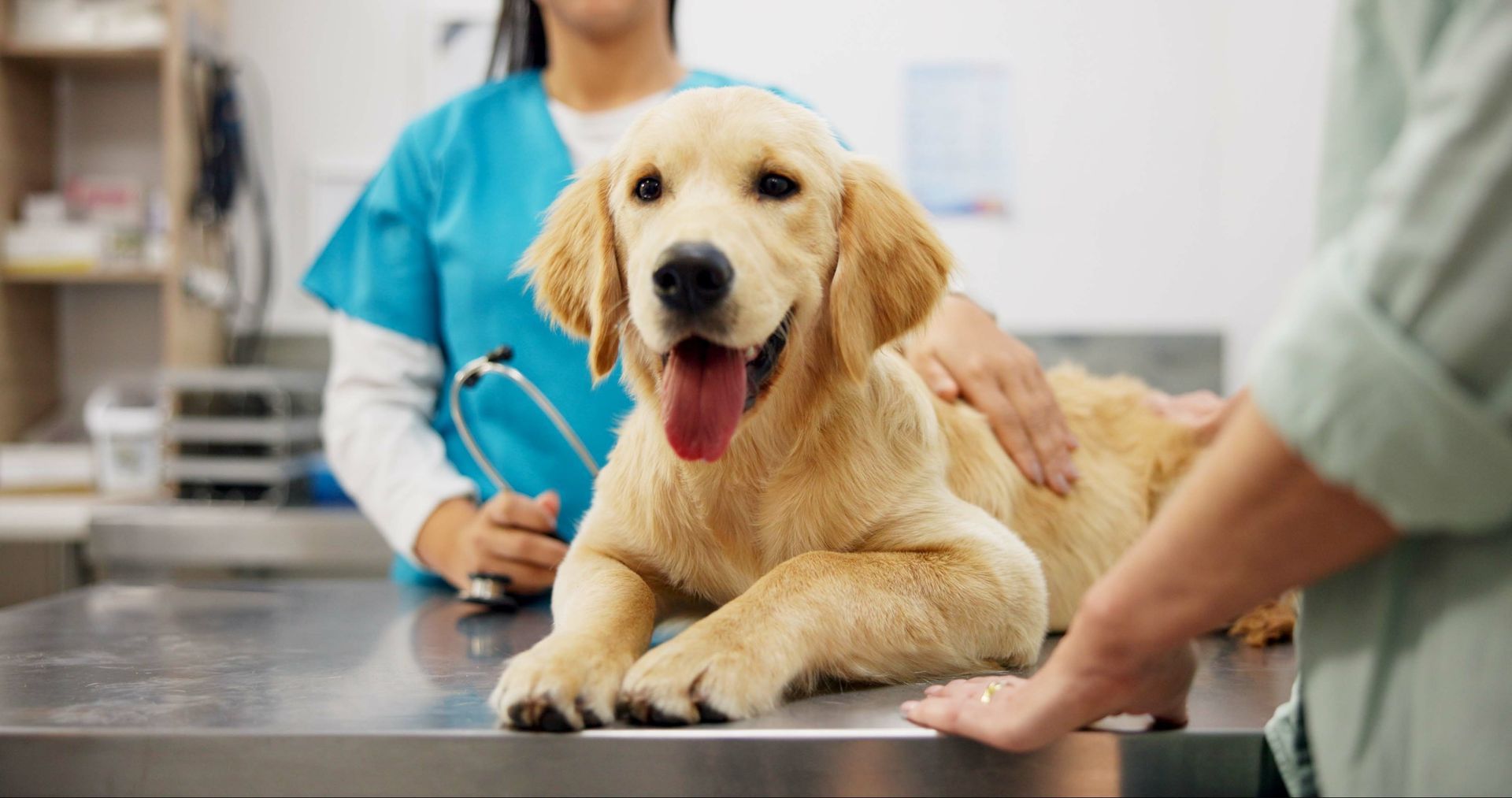
The vet works systematically through every body system. Eyes are checked for clarity and discharge. Ears are examined for debris, odor, and early signs of infection or mites. The mouth gets close attention because dental disease is the most commonly undiagnosed condition in pets — tartar buildup and gum color tell the vet a lot about overall health.
Lymph nodes are palpated for swelling, which can signal infection or immune response. A stethoscope check covers the heart for murmurs or arrhythmias and the lungs for any respiratory irregularities. Abdominal palpation screens for organ size, unusual masses, or sensitivity. The skin and coat are assessed for parasites, lumps, and hair loss. Finally, gait, joint flexibility, and muscle mass are evaluated — this is especially important for senior pets where early arthritis can be addressed before it limits mobility.
Diagnostic Add-Ons Often Recommended at Annual Visits
Depending on your pet's age and lifestyle, the vet may recommend a fecal parasite screen, an annual heartworm test for dogs, a senior bloodwork panel to establish baseline organ function, or a urinalysis. These tests fill in what a physical exam alone can't see.
The Vaccination Conversation
After the exam, the vet reviews which vaccines are due based on your pet's age, lifestyle, and prior immunization history. This isn't a one-size-fits-all list — it's a targeted discussion about what actually protects your specific animal.
Which Vaccines Does Your Dog Actually Need?
Dog vaccines fall into two categories: core vaccines every dog needs and lifestyle vaccines based on real exposure risk.
- Rabies — Core; required by Michigan law. Given at one year, then on a three-year cycle.
- DA2PP (Distemper, Adenovirus, Parvovirus, Parainfluenza) — Core. Puppy series starting at eight weeks, one-year booster, then every three years.
- Bordetella (kennel cough) — Lifestyle; recommended for dogs that board, visit dog parks, or go to groomers. Annual or semi-annual.
- Leptospirosis — Lifestyle, but highly relevant for Fenton-area dogs near water sources or wildlife. Annual after initial two-shot series.
- Lyme — Lifestyle; tick pressure in this part of Michigan makes it a strong consideration for outdoor dogs. Annual after two-shot initial series.
- Canine Influenza — Lifestyle; recommended for dogs with heavy social exposure. Annual.
Which Vaccines Does Your Cat Need Each Year?
Cat vaccines also divide into core and lifestyle groups, and even strictly indoor cats still need two of them.
- Rabies — Core; required by Michigan law for cats too. One-year then three-year cycle.
- FVRCP (Feline Viral Rhinotracheitis, Calicivirus, Panleukopenia) — Core. Kitten series starting at eight weeks, one-year booster, then every three years.
- FeLV (Feline Leukemia) — Lifestyle; recommended for outdoor cats or multi-cat households. Annual for at-risk cats.
The FeLV discussion often opens a broader conversation about your cat's environment and whether the indoor/outdoor balance makes sense long-term — a useful check-in every year.
Getting Your Puppy or Kitten's Schedule on Track
Young pets need a series of visits, not just one, because maternal antibodies gradually fade and immunity must be built in stages. If you're wondering whether your puppy's vaccine schedule is on track, the short answer is: it should start at eight weeks and continue every three to four weeks until about sixteen weeks old.
Puppies typically visit at 8, 12, and 16 weeks for their core series. Those appointments also cover spay/neuter timing and the socialization window — a developmental phase that closes around 12 to 16 weeks and directly shapes adult behavior. Kittens follow the same 8-, 12-, and 16-week pattern and benefit from early FeLV testing and a discussion about indoor/outdoor access. Learn more about the kitten wellness program to see what each milestone visit covers.
How Fenton's Climate and Seasons Affect Your Pet's Health Needs
The rural-suburban mix around Fenton means outdoor exposure is part of daily life for many pets — wooded lots, retention ponds, and deer trails run through most neighborhoods. Michigan's tick season typically spans April through November, with peak activity in spring and fall when temperatures sit between 35°F and 60°F. That window aligns closely with the times most owners are outdoors with their dogs.
Leptospirosis risk rises after heavy rain, when standing water concentrates bacteria shed by wildlife. Annual boosters timed before spring activity peaks offer the best protection. Your vet will factor local seasonal patterns into the vaccination and parasite prevention plan discussed at each visit.
Senior Pet Considerations at the Annual Exam
Dogs aged seven and older and cats aged ten and older often benefit from semi-annual visits rather than annual ones. At this life stage, the physical exam expands to include blood pressure readings, a more detailed mobility and joint assessment, and a broader bloodwork panel that screens organ function before decline becomes visible in behavior.
Weight changes and cognitive shifts — restlessness, altered sleep cycles, reduced responsiveness — are flagged and addressed early when there are more intervention options available. Ask the care team about pain management options if your senior pet shows stiffness or reluctance to move. Catching musculoskeletal changes at an annual visit, rather than waiting for a limp to appear, meaningfully extends comfort and mobility.
Annual wellness visits give you and your vet a consistent look at your pet's health across every life stage, building a record that makes patterns visible and problems catchable early. The visit experience at a clinic that knows your pet by name — and has for years — is simply different from starting fresh somewhere new every time.
Schedule your pet's next wellness exam and discover the full range of services available at Animal Health Clinic in Fenton — and ask about payment options if cost is a consideration.