Puppy Health Programs Available in Fenton, MI: What New Owners Should Know

Animal Health Clinic • November 22, 2026

Puppy Health Programs Available in Fenton, MI: What New Owners Should Know

Structured puppy health programs in Fenton, MI are designed to guide new dog owners through the critical early-life wellness steps that set the foundation for a long, healthy life.

What Does a Puppy Health Program Include?

A puppy health program typically covers preventive care visits, vaccinations, parasite screening, and guidance on nutrition and development during the first months of life.

The early weeks and months of a puppy's life involve rapid physical and immune system development. During this window, certain vaccines must be given on a specific schedule to build protection before the puppy is exposed to common diseases. Missing or delaying these visits can leave gaps in immunity that are difficult to correct later.

Beyond vaccinations, a structured program gives your veterinarian a chance to monitor growth, identify any developmental concerns early, and answer the questions that come up naturally as you adjust to life with a new dog. New owners searching for puppy care near me benefit from having a consistent care team rather than visiting different providers for each concern.

Families in Fenton, MI can explore puppy health programs in Fenton, MI to understand what a full early-life wellness plan looks like before their first visit.

When Should a Puppy's First Vet Visit Happen?

Most veterinarians recommend a puppy's first exam within the first few days to two weeks of bringing them home, regardless of any prior care from a breeder.

Even puppies that received initial care before adoption benefit from a fresh baseline exam. A new veterinarian can assess current health, confirm vaccination records, and check for parasites or conditions that may not have been detected earlier.

Starting this relationship early also helps your puppy become comfortable with the clinic environment. Puppies that visit the vet regularly during their first year tend to experience less anxiety during future appointments, which makes examinations easier and more thorough for everyone involved.

How Preventive Care in Puppyhood Affects Long-Term Health

Preventive care during the puppy stage directly reduces the risk of certain diseases and helps establish healthy habits that carry into adulthood.

Parasite prevention started early protects against heartworm, fleas, and intestinal worms that are common in Michigan. Left untreated, some of these parasites cause lasting organ damage that becomes expensive and difficult to manage in adult dogs.

Dental habits introduced during puppyhood also matter. Puppies that become accustomed to tooth brushing or dental chews early are far less likely to develop severe periodontal disease as adults, which is one of the most common health issues seen in older dogs.

Seasonal Considerations for Puppy Wellness in Fenton, MI

Fenton, MI experiences distinct seasonal changes that affect which preventive measures are most urgent at different times of year for young dogs.

Spring and summer bring increased tick and mosquito activity in the area, making parasite prevention especially important for puppies spending time outdoors. Heartworm is transmitted by mosquitoes, and Michigan's warmer months create real exposure risk even in suburban neighborhoods.

Winter brings its own concerns, including exposure to road salt and ice melt chemicals that can irritate a puppy's paws and cause digestive upset if licked. A veterinarian familiar with local conditions can help you build a seasonal care routine that accounts for these regional factors.

Connecting with the veterinary team at Animal Health Clinic in Fenton, MI gives you a knowledgeable resource for navigating each stage of your puppy's first year.

A well-planned puppy health program removes the guesswork from early-life care and gives your dog a measurable head start on lifelong wellness.

Connect with Animal Health Clinic to start building a puppy health plan that fits your dog's breed, lifestyle, and schedule in Fenton, MI.

By Animal Health Clinic • November 20, 2026
Find out which pets are candidates for laser therapy in Fenton, MI, what a first visit involves, and how it fits into a pain or recovery plan.
By Animal Health Clinic • October 23, 2026
Find out how laser therapy and pain management services in Fenton, MI can help your pet recover comfortably and stay active through injury or chronic conditions.
By Animal Health Clinic • August 19, 2026
Wondering what happens at a routine vet checkup in Fenton? Walk through the exam, vaccines, and puppy/kitten milestones at Animal Health Clinic step by step.
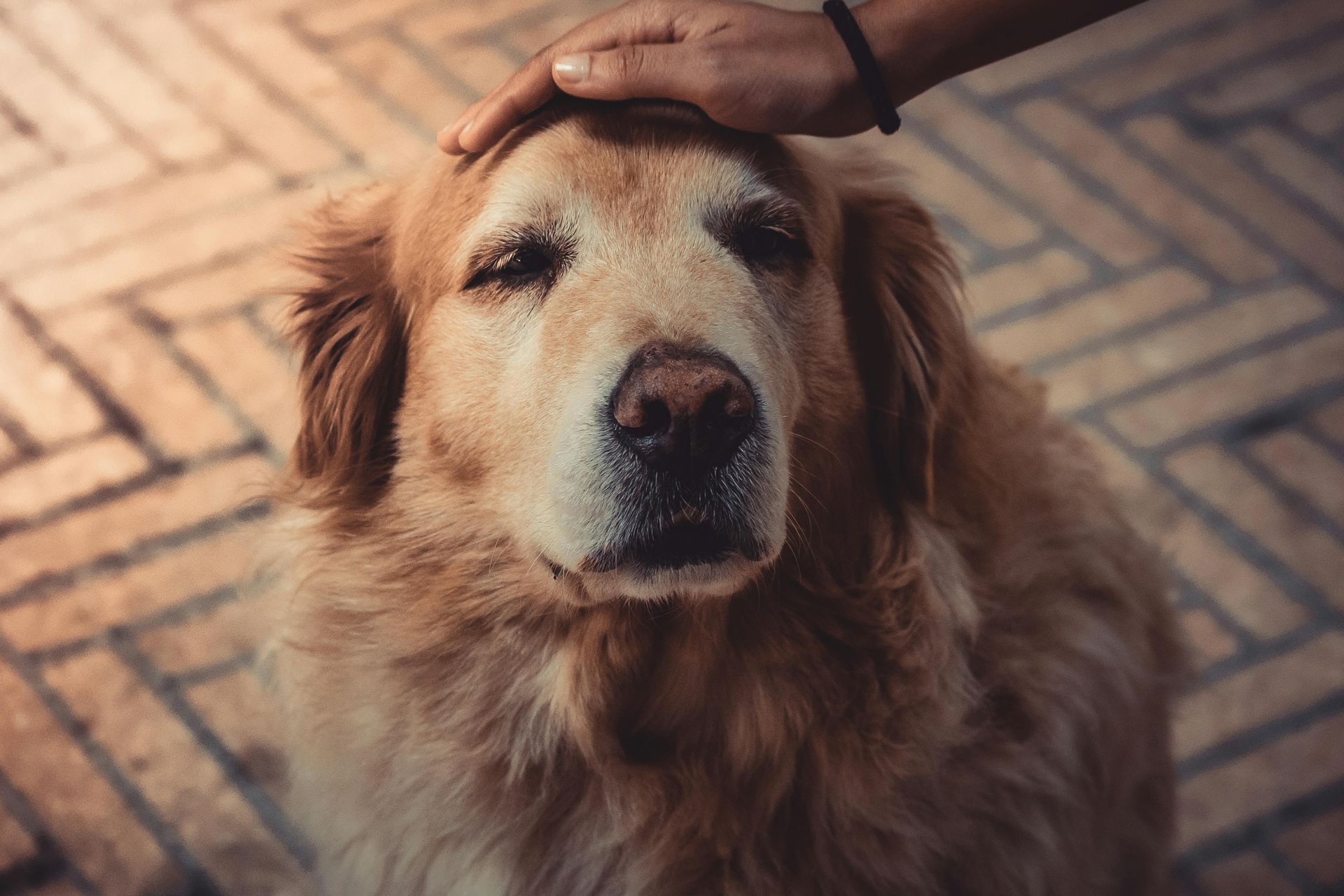
A close-up of a golden dog being petted on the head by a person’s hand, set against a brick-paved background.
April 2, 2026
For busy pet owners caring for a longtime companion, senior pet care can bring a new kind of worry: everyday habits change, and it’s hard to tell what’s normal aging versus a problem that needs help. Aging dog health concerns like stiffness, slower walks, and new bathroom accidents can leave families second-guessing every decision. Older cat wellness changes, less jumping, hiding more, picky eating, or weight shifts, often feel subtle until they don’t. The good news is that most common senior pet challenges become less scary when pet owners’ concerns get matched with clear expectations and steady support.
March 12, 2026
Prospective veterinary clinic owners and pet healthcare entrepreneurs often feel pulled between a real community need for dependable care and the heavy responsibility that comes with opening a medical business.
March 12, 2026
For aspiring pet care entrepreneurs in the Fenton, MI area, especially pet owners who already worry about illness, preventive care confusion, chronic pain, or post-injury rehabilitation, starting a business can feel risky because trust is hard to earn when a pet’s well-being is on the line.
November 12, 2025
Home Maintenance Tips for Pet Owners: A Practical & Playful Guide
October 24, 2025
You don’t need a smart collar to know when your dog’s restless. The pacing. The eyes. The whole-body sigh as they flop on the floor again. That low simmer of unused energy? It’s not just boredom—it’s a signal. Movement is more than just a way to burn calories; it’s how dogs stay regulated, relaxed, and sharp. Fitness, when built into their daily rhythm, changes everything: behavior, sleep, digestion, even your bond. And the best part? You don’t need a dog park or fancy gear—just consistency, creativity, and a few smart shifts. Tailor routines to your dog’s needs A husky and a pug don’t need the same workout, and pretending they do is asking for injury or burnout. Matching exercise to the animal in front of you means understanding their history, body, and brain. The ideal plan is one that evolves with age, habits, and environment. Senior dogs may prefer lower-impact movement; high-strung herders might crave more mental engagement than physical intensity. Thoughtful routines hinge on matching your dog’s physical output to their body’s actual needs—so many problems disappear when you simply plan by age, breed, and temperament . It isn’t about more—it’s about the right kind of more. Get active by changing your own habits Let’s talk about the human in the mirror. A sluggish routine doesn’t just affect you—it radiates out. Dogs mirror energy. So if you're stuck in a cycle of low movement, poor food, and disorganized sleep, your dog feels that inertia too. One of the most powerful ways to improve your dog’s health is by improving your own. Choose smaller changes that can ripple out: earlier walks, fewer screens, more outdoor minutes, snacks that fuel instead of numb. If you’re curious about how to start making daily decisions that promote well-being , it begins with noticing the micro-patterns. Dogs don’t need perfection. They need momentum. Mix it up to stay fresh Repetition dulls even the most energetic dogs. Monotony is the quickest way to create resistance or rebellion during walks. Alternating between environments—grass, gravel, indoor ramps—keeps paws and brains stimulated. One day it’s fetched in the yard, the next it’s weaving between cones, and later in the week maybe you’re trotting beside them on a bike. Energy stays high when cycling and agility are great outdoor options layered into the routine. Think of it less like “fitness time” and more like “mini adventures.” Small variety, big payoff. Track their routines digitally If your dog’s training gets sporadic or scattered, it might be less about motivation and more about management. The simplest fix? Track it like you’d track a workout plan or a budget. By documenting repetitions, progress, rest days, and even behavioral notes, you create a rhythm both you and your dog can trust. Whether you’re managing a complex training plan or just keeping tabs on morning walks, tools that simplify scheduling and format matter. There are easy methods for converting files to PDF that let you log, share, and even print weekly fitness logs or progress snapshots. No clutter. Just clarity. Safety first when exercising Not all movement is good movement. Too many owners push their dogs during summer heat or skip cooldowns after intense sessions. Know the signs: excessive panting, glazed eyes, slowed response. Heat stroke is quiet but fast. Fitness gains mean nothing if your dog is burned out, dehydrated, or worse. Keep a pulse on how they’re responding, and avoid overheating with smart activity adjustments like early morning sessions, shaded terrain, and water breaks every ten minutes. Build your bond together A fit dog is often a more bonded one. It’s not just about calories—it’s about choreography. Movement together reinforces leadership, loyalty, and co-regulation. Those little routines—pausing at intersections, checking in mid-hike, chasing a toy and circling back—train connection as much as muscle. It’s subtle, but shared play deepens connection in ways that obedience drills alone never touch. It’s a workout for the relationship, not just the body.

Dog fitness doesn’t need to be a resolution or a chore—it just needs to be a rhythm. A rhythm you both recognize. Consistency is king. And variation, properly dosed, is its crown. Make their movement as natural and integrated as your own daily choices: walk the extra block, switch up the terrain, adjust for the heat, document what works, and—most importantly—be there. Not just as an owner. As a co-pilot. A dog’s fitness journey isn’t measured in steps. It’s measured in shared presence.
 Discover the exceptional care your pets deserve at Animal Health Clinic , where we treat your furry friends like family and offer a 10% discount on your first visit!